What Is a Mortise Lock and Why NYC Apartments Rely on Them
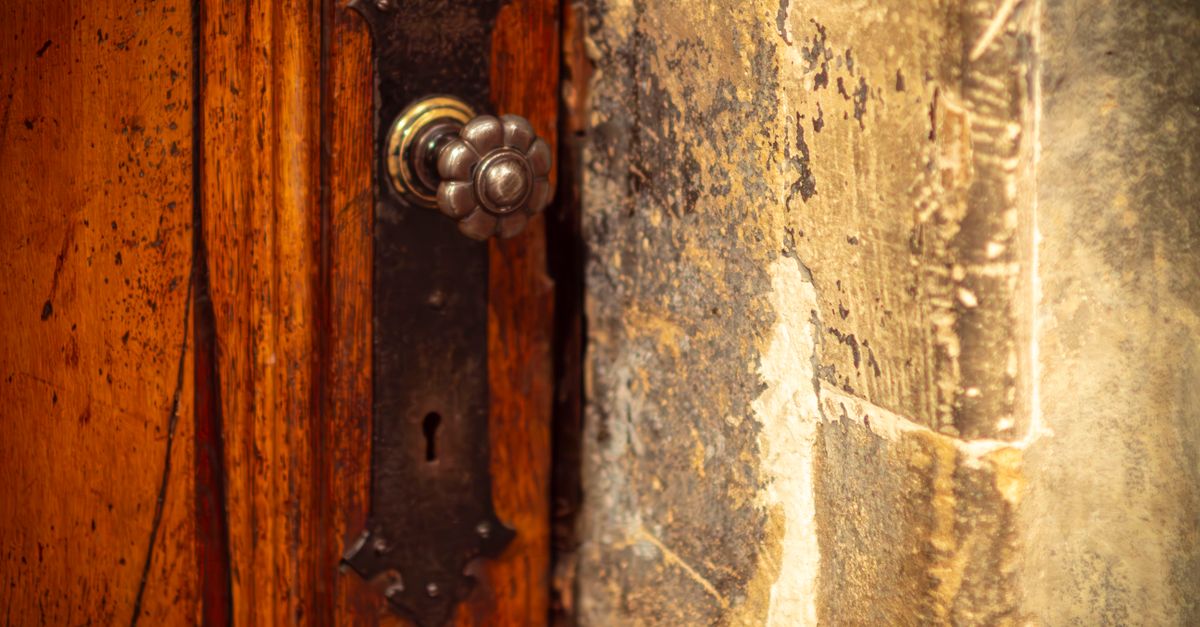
A mortise lock is a lock mechanism housed inside a rectangular steel or brass case that sits inside a cavity — the mortise — cut into the body of the door itself. Unlike a cylindrical bored lock, which mounts through a simple round hole drilled from the face of the door, a mortise lock set integrates multiple functions: a spring latch for everyday closing, a throw bolt for security, a cylinder on the outside keyed entry, and an interior thumbturn or lever. The faceplate runs the full height of the case, flush with the door edge, giving it the clean finished look you see on virtually every older apartment door in Manhattan and the outer boroughs. Because New York City's housing stock is so heavily weighted toward pre-war construction — buildings put up before 1940 now account for a significant share of the city's total residential units — the mortise lock became and remains the dominant apartment door hardware format here, far more than in newer suburban construction.
Beyond their historical prevalence, mortise locks earn their reputation on pure mechanics. The longer, deeper throw bolt resists kick-in attempts better than most cylindrical locks. The multi-point engagement with the strike plate distributes force across more of the door frame. And because the entire mechanism is encased in metal within the door body, there is less external hardware exposed to prying or wrench attacks. That said, a mortise lock body with a worn cam, a cracked follower, or a cylinder that has been rekeyed so many times the pins no longer seat cleanly is not protecting anyone. Knowing when to repair versus when to replace is exactly the judgment our mobile technicians bring to every job.