How We Handle Car Key Replacement by Brand and Technology
Not every brand uses the same key technology, and that difference matters enormously when cutting and programming a replacement. Ford and Lincoln vehicles, for example, have used PATS (Passive Anti-Theft System) transponders since the late 1990s, meaning a correctly cut blade that hasn't been programmed to your specific PATS network will crank the engine and immediately kill it. GM vehicles spanning Chevrolet, Buick, GMC, and Cadillac use a range of transponder families — VATS, PK3, PK3+, and Passkey III — each requiring brand-specific programming sequences. Chrysler, Dodge, Jeep, and Ram platforms frequently employ SKIM (Sentry Key Immobilizer Module) technology, which ties key authorization directly to the vehicle's PCM. Our technicians arrive with the diagnostic and programming hardware to address all of these platforms without the need for a dealer appointment.
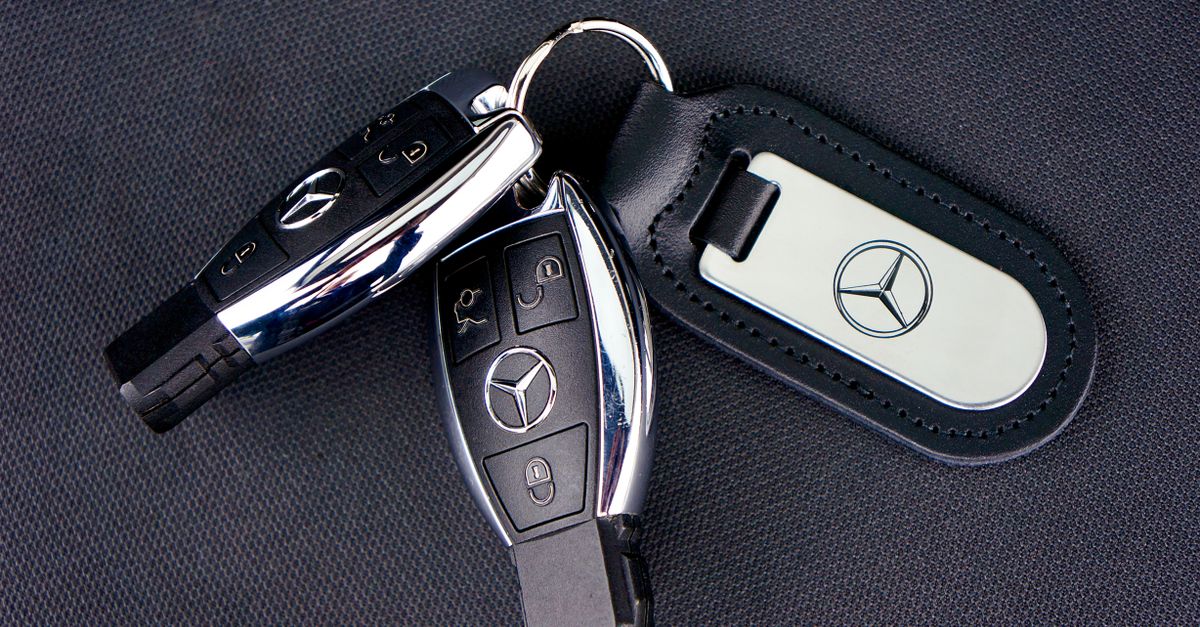
Import brands add another layer of complexity. Toyota and Lexus have long relied on 4D and 8A chip families, while newer models use smart proximity keys with encrypted rolling codes. Honda and Acura shifted aggressively to transponder keys in the mid-2000s and now require immobilizer resets on many models. Hyundai, Kia, and Genesis vehicles — increasingly common on Manhattan streets and in Brooklyn and Queens neighborhoods — use proprietary immobilizer systems that demand OEM-level programming tools. European brands such as BMW, Mercedes-Benz, Audi, and Volkswagen routinely use high-security laser-cut (Tibbe or HU keys) blades paired with encrypted transponders and, on newer models, keyless entry systems that must be paired via dealer-level protocols. We invest continuously in updated software and hardware so our mobile units can serve all of these platforms on-site, wherever you are parked.